The Ultimate Showdown: Meta Ray Ban Display vs Ricoh Scansnap Ix2400 Document Scanner for 2026
Introduction
In 2026, laptop-centric workflows continue to evolve, and peripherals increasingly define productivity and comfort. Two very different devices — the Meta Ray Ban Display (a wearable heads-up display) and the Ricoh Scansnap iX2400 document scanner (a desktop document digitization appliance) — both promise to accelerate common tasks around a laptop, yet they solve distinct problems. This article compares the two with an emphasis on what buyers actually care about: real-world performance, integration with existing laptop setups, ease of use, long-term cost and maintenance, and which scenarios call for each device.
Rather than ask which is objectively “better,” the more useful question is which device is the right fit for a buyer’s daily workflow. The Meta Ray Ban Display targets mobility, hands-free interactions, and contextual overlays. The Ricoh Scansnap iX2400 targets high-volume, reliable document capture and long-term records management. This comparison explores how each complements a laptop-centered workspace and offers practical guidance for choosing between them.
Product Overview
Meta Ray Ban Display — overview and role in the laptop ecosystem
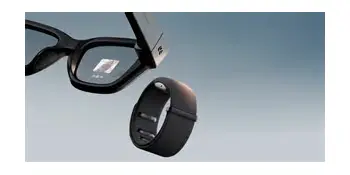
The Meta Ray Ban Display combines lightweight eyewear design with a compact display system that projects notifications, navigation cues, and simple contextual information into the wearer’s field of view. In a laptop-driven setup it’s often used as a secondary, glanceable information source: incoming messages, step-by-step checklists, timers, or read-only side content. Because it is wearable, its most compelling strengths are mobility, immediacy, and hands-free convenience.
Key strengths in practice include quick glanceability during meetings, walking commutes, and multitasking at café tables. The device is built to complement a laptop, not replace it: the display surfaces quick information and lightweight interactions, while the laptop remains the primary content-creation and editing environment.
Ricoh Scansnap iX2400 Document Scanner — overview and role in the laptop ecosystem
The Ricoh Scansnap iX2400 is positioned as a desktop document scanner intended to streamline paper-to-digital workflows. It typically offers an automatic document feeder (ADF), duplex scanning, and bundled software for optical character recognition (OCR) and file organization. For laptop users who regularly capture invoices, receipts, forms, legal documents, or archival materials, a scanner like the iX2400 becomes part of the trusted input chain that moves physical paperwork into searchable digital archives on the laptop.
Its value is clearest in high-volume or accuracy-sensitive scenarios: legal offices, accounting teams, small businesses, and home offices that need dependable, repeatable scanning with good OCR results and integration into document management systems or cloud storage accessed via a laptop.
Detailed Review and Analysis
Design and build quality
The Meta Ray Ban Display emphasizes low weight, unobtrusive styling, and comfort for extended wear. Buyers often evaluate not just display clarity but how the glasses sit during long calls or commutes — nose-pad comfort, temple pressure, and whether frames interfere with headphones or thermal regulation during outdoor use. Durable materials and replaceable pads are important to buyers who intend to use the device daily.
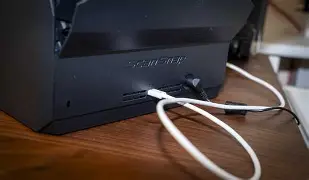
The Ricoh Scansnap iX2400, by contrast, is judged on solid construction, stable paper handling, and ease of maintenance. Buyers look for a quiet, compact footprint that fits beside a laptop, an ADF that accepts mixed-size media without frequent jams, and a lid/rollers design that is easy to access for cleaning and replacing consumables.
Performance and real-world reliability
With wearable displays, performance is both subjective and technical: readability in different light levels, latency between smartphone/laptop notifications and the display, and the resilience of tracking/stability when the user moves. For everyday laptop users, what matters is that glanceable content appears instantly and is legible without repeated head movement. Battery life that covers a workday or a reliable quick-charge workflow is a practical must.
Looking for the best Laptops & Computers deals on Amazon?
Browse Now →For a document scanner, performance is measured by scan speed, accuracy of duplex feeds, OCR quality, and error rates (skips, misfeeds, or misaligned captures). In practice, buyers want consistent results — one-pass accurate capture that requires minimal intervention and integrates into automated workflows, such as automatic naming, searchable PDFs, and direct import into folders or document management systems on the laptop.
Software, ecosystem and laptop integration
Both devices live and die by their software experience. The Meta Ray Ban Display’s companion app and ecosystem determine what content is available in the display and how it interacts with the laptop (notifications mirroring, control gestures, voice input, and privacy settings). Buyers care about reliable pairing, cross-platform compatibility (macOS, Windows, common Linux distributions where supported), and the ability to tailor what appears on-screen.
The scanner’s bundled software and driver maturity are crucial. Buyers expect a scanner to present a seamless “Scan → OCR → Save/Export” flow that works with their laptop’s OS, email apps, cloud backups, and productivity software. Integration into common workflows (e.g., saving scans directly to a Dropbox/OneDrive/specified local folder, batch OCR for searchable PDF creation) is a common decision factor.
Portability vs permanence
Portability is where the Meta device shines. It enables mobile professionals, researchers, and field technicians to reduce context switching between laptop and surroundings, keeping hands free for notes or tasks. Buyers who travel frequently or participate in many in-person meetings find value in the wearable’s ability to surface small pieces of information without opening a laptop.
Scanners are inherently stationary. The Scansnap iX2400 is meant to be part of a home or office desk setup. Buyers who need portability will instead consider mobile capture via smartphone apps, but those needing consistent bulk capture will prefer a dedicated desktop scanner despite the lack of mobility.
Privacy and security considerations
Wearables introduce new privacy questions. Buyers must evaluate what data the Meta Ray Ban Display stores locally, whether notifications and voice interactions are logged, what permissions the companion app requests, and how updates are handled. In shared work environments users will also consider whether wearing a camera-equipped device is appropriate and whether other participants might object to being recorded.
Document scanners hold sensitive data too; they must be managed with access controls on scanned files, secure transmission to cloud services, and dependable deletion of temporary files. Buyers managing regulated data (financial records, medical records, or personal identification) must verify encryption, local retention settings, and auditability of scanned files once they reach the laptop.
Pros & Cons
Meta Ray Ban Display
- Pros: Hands-free glanceable information; excellent for mobility, meetings, and multitasking; stylish, lightweight design encourages frequent use.
- Pros: Immediate notification and contextual overlays reduce laptop interruptions; useful for reference while typing or presenting from a laptop.
- Cons: Limited input capability for complex tasks; battery life may constrain all-day heavy usage; potential privacy concerns in shared spaces.
- Cons: Small display area limits usefulness for content creation; software ecosystem may be fragmented across platforms.
Ricoh Scansnap iX2400 Document Scanner
- Pros: Reliable bulk capture with ADF and duplex scanning; produces searchable digital files that integrate into laptop workflows; saves time on manual data entry.
- Pros: Typically more accurate OCR and cleaner images than smartphone capture in mixed-light environments; durable feed mechanisms reduce jams.
- Cons: Footprint and permanent placement mean less flexibility; upfront cost and maintenance (rollers, cleaning) are ongoing considerations.
- Cons: Not useful for on-the-go capture; buyer must maintain a laptop integration workflow for cloud or archive storage.
Comparison Table
| Feature | Meta Ray Ban Display | Ricoh Scansnap iX2400 |
|---|---|---|
| Primary purpose | Wearable, glanceable display for notifications and AR-style overlays | High-quality paper-to-digital document capture with OCR |
| Typical laptop role | Secondary display and hands-free input complements laptop use | Input device for digitizing paper that feeds into laptop-based workflows |
| Portability | High — designed for mobile use | Low — desktop device, requires stationary setup |
| Interfaces & connectivity | Wireless pairing with phones/laptops, companion app | USB and network options; desktop drivers and workflow software |
| Power source | Battery powered (rechargeable) | AC powered; designed for continuous desktop use |
| Best for | Mobile professionals, presenters, quick references, hands-free tasks | Small businesses, accountants, legal professionals, archivists |
| Ease of setup | Moderate — pairing and app permissions; occasional firmware updates | Easy to moderate — drivers and software configuration but straightforward |
| Maintenance | Low — charging, occasional firmware/app updates | Moderate — periodic cleaning, roller replacement, driver updates |
Buying Guide — How to Choose Between These Two Devices
When a buyer sits down in front of their laptop to consider adding a peripheral, the decision should be driven by the workload. The following checklist helps decide which device is the better fit.
Shop the latest Laptops & Computers picks on Amazon.
View Offers →- Define the primary problem to solve: If the issue is repeated interruptions and an inefficient way to glance at quick info while mobile, the wearable display meets that need. If the problem is piles of paper that must be digitized and made searchable, the scanner is the clear choice.
- Consider location and space: A wearable device suits commuters and workers who change locations frequently. A scanner requires a stable desk and, ideally, a dedicated spot close to the laptop.
- Volume and frequency of use: For occasional single-page scans, smartphone capture may suffice. For daily bulk scanning or archival projects, a reliable desktop scanner saves significant time.
- Integration needs: Check compatibility with the buyer’s laptop OS and the specific cloud or document management tools in use. Confirm the wearable’s app and the scanner’s software support direct export to preferred destinations without manual steps.
- Privacy and compliance: For regulated documents, favor a scanner with strong local encryption and predictable file handling. For wearables, review how notifications and any camera functionality handle data and whether logging or cloud processing is involved.
- Long-term costs: Consider consumables (scanner rollers and service) and potential accessory replacements for eyewear (nose pads, batteries). Warranty and local support options matter more for devices used heavily in business contexts.
Real-World Use Cases
Hybrid knowledge worker
A knowledge worker who alternates between co-working spaces and home will find the Meta Ray Ban Display useful for reducing laptop interruptions — seeing calendar reminders or meeting notes without switching windows. Meanwhile, at home they might use the scanner for bill and receipt digitization on dedicated admin days. In this hybrid scenario, both devices coexist: the wearable for mobility, the scanner for periodic high-quality capture.
Small business owner
A business owner handling invoices, contracts, and receipts frequently benefits most from a dedicated scanner on the desk. A device like the iX2400 streamlines bookkeeping by automating capture and OCR-based text extraction, which the laptop then uses to populate accounting software. The wearable would be less central unless the owner also needs hands-free notifications or inventory overlays while working on the floor.
Field technician or onsite consultant
Consultants who inspect sites, take notes, and share findings on the go value the wearable display’s hands-free nature. Quick access to checklists, client contacts, and step-by-step instructions while keeping hands free for tools or measurements integrates with a laptop-based reporting workflow later. Scanners are rarely practical on-site unless portable scanning kiosks or mobile scanning accessories are used.
Archivist or researcher
Archivists and researchers who convert paper archives to digital form will prefer a dedicated scanner for image fidelity, consistent feed, and better OCR. Paired with a laptop for cataloging, a scanner supports metadata workflows and batch processing that far exceed the capabilities of standalone mobile capture.
Conclusion
The Meta Ray Ban Display and the Ricoh Scansnap iX2400 address very different problems for laptop users. The wearable display offers mobility, hands-free glanceability, and a new layer of contextual convenience that excels in mobile and meeting-heavy workflows. The scanner excels where accurate, repeatable, high-volume paper capture is required and where digitized, searchable documents are part of a long-term information management strategy.
For buyers deciding between the two, the practical advice is straightforward: choose the wearable if the priority is reducing friction in mobile or in-person workflows and staying connected without opening a laptop; choose the scanner if the priority is transforming paper into searchable, reliable digital records as part of daily business operations. Many buyers find that each device complements the other when their workflow includes both mobility and significant document handling — the wearable reduces interruptions while the scanner eliminates backlog. The ultimately “right” choice depends on which problem the buyer needs to solve most often in their laptop-driven workday.