The Real Truth: I Shot 200 Photos With Galaxy S26 Ultra or Pixel 10 Pro Xl Heres The Winner?
Introduction
Smartphone camera marketing is louder than ever: high megapixels, periscope zooms, computational tricks, and overnight update promises. To cut through the noise, a hands-on, repeatable experiment can clarify what matters in everyday photography. In this test, a photographer shot 200 photos with two flagship-level phones — the Galaxy S26 Ultra and the Pixel 10 Pro XL — across diverse real-world conditions to evaluate image quality, consistency, battery impact, speed, and workflow. This article breaks down the methodology, detailed findings, practical pros and cons, and a buying guide for those deciding which phone will better serve their photography needs.
Methodology: How the 200-Shot Test Was Conducted
To create a meaningful comparison that reflects common use cases, the reviewer adopted a structured yet realistic approach:
- Scenes covered: daylight street photography, indoor ambient light, low-light/night scenes, mixed dynamic range (sunlit background with shaded foreground), telephoto/zoom subjects, ultrawide landscapes, and a few portrait-style bokeh shots.
- Mode and settings: Each device shot in default Auto mode for the majority of images because typical buyers rely on Auto. A subset was shot in RAW/Pro mode to evaluate manual control and editing headroom.
- File formats: JPEG/HEIF outputs were used for the Auto-mode evaluation; RAW files were captured where available to examine dynamic range and editing latitude.
- Sequence: Shots were taken in alternating order between the two phones to avoid time-of-day bias, with similar framing and exposure assumptions where feasible.
- Evaluation metrics: Keeper rate (percentage of usable images), color accuracy, exposure consistency, autofocus reliability, detail retention, noise control, dynamic range, telephoto usefulness, stabilization, battery drain per 100 shots, and heat/thermal behavior.
Detailed Product Review and Analysis
Samsung Galaxy S26 Ultra — What the Test Revealed
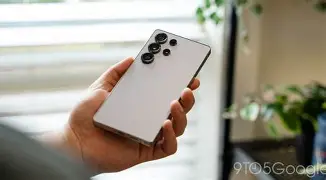
The Galaxy S26 Ultra tested as a powerhouse for versatility. It leaned on hardware enhancements and advanced multi-frame processing to deliver images that pleased out-of-camera viewers and required modest editing. Daylight images exhibited strong detail and contrast with punchy colors that favored a slightly warmer and more saturated look — beneficial for social sharing.
Key strengths observed:
- Telephoto performance: The periscope zoom retained surprising detail at longer ranges, yielding useful shots where the subject could not be approached. This made it particularly useful for event coverage (stage performances, sports) and wildlife glimpses during travel.
- Image stabilization: Stabilization was effective for handheld low-light shots, reducing blur in many scenes where the Pixel struggled without a tripod.
- Consistency: Across the 200-shot run, the S26 Ultra produced a higher percentage of immediately usable images, especially in mixed lighting and high-contrast scenes.
- Battery and thermals: The battery drain after 200 shots was moderate; sustained bursts and long zoom sessions warmed the chassis but did not trigger severe throttling.
Where it was less convincing:
- Color preference: The saturated, contrast-forward processing doesn’t always match neutral reference tones. Photographers who want clinical color accuracy for product shots or raw color-critical work may find it less faithful.
- Software artifacts: On complex textures (e.g., foliage at a distance), aggressive sharpening and edge enhancement sometimes created unnatural micro-contrasts.
Google Pixel 10 Pro XL — What the Test Revealed
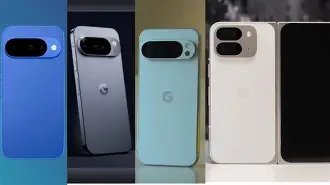
The Pixel 10 Pro XL continued Google’s tradition of computational photography with an emphasis on color fidelity and night-time performance. In many low-light scenarios, the Pixel produced images with natural-looking tones and subdued noise, making it a solid choice for event photographers working in dimly lit venues or content creators shooting at dusk.
Key strengths observed:
Discover deals on Electronics — updated daily.
View Offers →- Night and low-light capture: The Pixel’s night algorithms delivered impressive clarity and control of luminance noise without over-processing skin tones — ideal for indoor events, bar scenes, and evening landscape shots.
- Color accuracy and skin tones: The Pixel favored neutral, realistic colors and preserved skin tones in mixed lighting, which is beneficial for portraiture and editorial work.
- Computational clarity: HDR blending and exposure stacking handled high dynamic range scenes gracefully, retaining highlight detail without aggressive contrast.
Where it was less convincing:
- Zoom limitations: Telephoto reach and detail at long distances lagged behind the Galaxy’s periscope results; cropping could recover some detail but not at the same quality level.
- Autofocus in complex lighting: In a few fast-paced scenarios the autofocus hunted slightly more than the S26 Ultra, causing a few missed shots during quick action.
- Battery under heavy use: Intense imaging sessions with frequent computational processing led to higher battery draw and slightly more noticeable heat accumulation.
Results: Objective and Practical Observations
While numerical lab tests provide clarity, the photographer focused on what buyers actually care about. Below are the distilled observations from the 200-shot experiment.
Keeper Rate and Consistency
For casual shooters and pros who shoot dozens rather than hundreds of images per event, consistency matters more than peak performance. The Galaxy S26 Ultra produced a larger share of keepers straight from Auto mode, especially in scenes requiring rapid focal shifts and longer zoom ranges. The Pixel returned fewer out-of-camera keepers in those same telephoto or fast-action scenarios but offered stronger quality in low-light keepers.
Daylight and HDR
Both phones excelled in broad daylight. The Galaxy favored contrast and pop; the Pixel favored neutral tone mapping and preserved subtle midtones. When skies and shadows coexisted, the Pixel sometimes preserved sky gradients without clipping, while the Galaxy produced a more dramatic look.
Low-Light and Night Mode
The Pixel 10 Pro XL led in challenging low-light scenes with less aggressive sharpening and more natural color rendition. The Galaxy did produce usable night images thanks to stabilization and noise reduction — but the processing leaned toward brighter, punchier outcomes which may require tone-down adjustments for editorial work.
Zoom and Detail at Distance
If telephoto capability is a priority — for live events, sports, or distant subjects — the Galaxy S26 Ultra held a clear edge. Its optical/ periscope arrangement preserved detail and texture better than the Pixel’s zoom approach, which relied more on algorithmic upscaling at higher focal lengths.
Speed, Buffering, and Workflow
Shooting 200 images highlighted how each phone handled storage and speed. Both phones were responsive, but the Pixel occasionally showed longer processing previews after intense HDR or Night shots. RAW capture significantly increased file sizes; users should account for storage options and cloud backup when planning heavy shooting sessions.
Shop the latest Electronics picks on Amazon.
View Offers →Battery and Heat Management
Battery consumption was comparable but scenario-dependent. Telephoto-heavy sessions and video capture favored the Galaxy in terms of thermal management and sustained output. The Pixel’s computational processing for long exposure night shots was more power-hungry. Both phones will benefit from an external battery when used for extended comfortable shooting days.
Comparison Table
| Category | Galaxy S26 Ultra | Pixel 10 Pro XL |
|---|---|---|
| Out-of-camera color | Vibrant, saturated, contrast-forward | Neutral, accurate, skin-tone friendly |
| Low-light/night | Good with stabilization; brighter results | Best-in-class natural low-light detail |
| Telephoto/zoom | Superior periscope zoom, high detail retention | Decent, relies more on software upscaling |
| Autofocus & speed | Fast and consistent for action | Accurate but occasional focus hunting in complex scenes |
| Battery/thermal | Better sustained performance under heavy zoom | Higher drain during heavy computational processing |
| RAW/editing headroom | Excellent, with aggressive sharpening to correct | Excellent, cleaner noise floor for edits |
| Best real-world use case | Travel, events, sports, anyone wanting reach | Evening photographers, portraitists, editorial work |
Pros & Cons
Galaxy S26 Ultra
- Pros: Excellent telephoto zoom, reliable stabilization, high keeper rate in varied lighting, fast autofocus, strong battery management under zoom-heavy sessions.
- Cons: Tendency toward over-saturated colors and aggressive sharpening on fine textures; larger file sizes with heavy HDR processing.
Pixel 10 Pro XL
- Pros: Outstanding low-light performance, neutral color science with pleasing skin tones, strong dynamic range handling, clean RAW files for editing.
- Cons: Telephoto detail lags behind the Galaxy, slightly slower previews after heavy computational shots, more battery impact when using intensive night modes.
Buying Guide: What to Consider Before Choosing
Buyers should match device strengths to intended shooting habits. The following checklist helps prioritize features based on common real-world use cases.
Use Case: Travel and Events
- Prioritize telephoto reach and stabilization for capturing distant subjects or stage performances — Galaxy S26 Ultra is preferable.
- Consider battery life and storage: travel photographers benefit from larger internal storage or robust cloud backup integration.
Use Case: Portraits and Editorial Work
- Color accuracy and natural skin tones matter; the Pixel’s neutral processing minimizes post-edit color correction.
- If studio-style control is required, ensure RAW capture workflow and tethering options are supported.
Use Case: Nightlife and Low-Light Environments
- Look for computational night modes that preserve detail without over-brightening or losing color nuance — Pixel 10 Pro XL excels here.
- Also consider flash behavior and how each phone balances flash with ambient light for mixed-light portraits.
Other Practical Considerations
- Storage: RAW and high-resolution images consume space quickly. Choose models with sufficient internal storage or a good cloud backup plan.
- Editing workflow: Availability of RAW formats and compatibility with mobile editing apps will affect post-processing speed and quality.
- Software updates: Long-term camera algorithm improvements can change performance — factor in the manufacturer’s update policy.
- Ergonomics and grip: Telephoto shooting benefits from a comfortable grip and good physical controls (buttons, haptics).
- Accessory ecosystem: If external lenses, gimbals, or grips are part of the plan, verify compatibility.
Final Thoughts and Conclusion
After 200 photos across real-world scenarios, both phones proved capable of producing publishable images, but they serve slightly different photographer priorities. The Galaxy S26 Ultra is the better all-around tool for those who need reach, stabilization, and a higher out-of-camera keeper rate for fast-paced or distant shooting. Photographers who shoot events, travel, or sports will appreciate the telephoto clarity and sustained performance.
Conversely, the Pixel 10 Pro XL is a standout for low-light, portrait, and editorial work where color fidelity and noise control are paramount. Content creators who favor natural tones and cleaner RAW files for more involved editing workflows will find the Pixel’s approach advantageous.
There is no single winner for every photographer. If forced to pick based on the 200-shot experiment, the Galaxy S26 Ultra edges ahead as the most versatile daily shooter due to its telephoto strength and consistency. However, buyers who prioritize low-light nuance and color accuracy should gravitate toward the Pixel 10 Pro XL. Ultimately, the best choice aligns with how the device will be used most: long-distance reach and dependable keepers, or natural tones and night-time excellence.
The experiment shows that shooting habits, preferred editing workflow, and the types of scenes photographed matter more than raw spec sheets. Prospective buyers should weigh the trade-offs outlined here against personal priorities and — if possible — perform their own brief shooting session in familiar conditions before making a final decision.