Rotel Dx 5 Honest Review — Is the Hype Justified?
Introduction
I've been living with the Rotel Dx 5 for several months now. I bought it to simplify my desktop and small living-room setup: a compact integrated unit that promised clean amplification, a modern DAC, and convenient streaming features without the bulk of a full receiver. After weeks of everyday listening, experimenting across genres, and pairing it with different speakers and headphones, I'm sharing what I actually experienced — the things I loved, the quirks that bothered me, and who I think this unit really suits.
What the Rotel Dx 5 is (and what it's not)
In my experience, the Dx 5 is a compact integrated amplifier with a built-in digital-to-analog converter designed for listeners who want a tidy setup with modern connectivity. It handles a mix of digital and analog sources (USB, optical/coax, and a few analog inputs), provides a headphone output, and includes a small, informative front display and a solid-feeling remote.
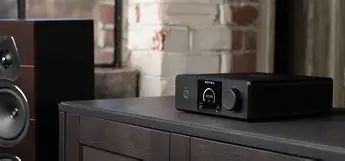
What it isn't: a full-featured AV receiver or a phono-stage powerhouse. If you need multi-room support, multi-channel processing, or a built-in phono input for a turntable without a dedicated preamp, this is not that product. For my needs — two-channel listening with occasional headphone use and streaming from a laptop/phone — it was aimed squarely at my use case.
Unboxing and setup — the small things that matter
Right out of the box I noticed the Dx 5 is heavier than it looks: the chassis feels solid and relatively dense, which I took as a sign of a robust power supply and decent internal parts. The front panel is minimalist with a central volume knob, a modest display, and source buttons. The remote is compact and intuitive; after a couple of days I rarely reached for the front panel.
Setting it up was straightforward. I connected the unit to my bookshelf speakers (speakers with around 86–90 dB sensitivity) and my laptop via USB for hi-res files, and I occasionally used Bluetooth for quick phone streaming. I also used an optical feed from a TV for streaming shows. Wiring was standard and painless. The unit sits comfortably on a shelf with some clearance because it does get warm after a few hours of listening.
Sound performance — the heart of the matter
After testing for many listening sessions, here's what I found across different aspects of sound:
Clarity and detail
In my experience the Dx 5 excels at resolving midrange detail. Vocals and acoustic instruments come through with a natural, forward presentation that made singer-songwriter tracks particularly engaging. I noticed small harmonics and ambience cues on well-recorded acoustic tracks that I hadn't picked up from my previous budget integrated amp.
Bass control
Bass response was authoritative for a compact integrated unit. The low end is tight and controlled rather than boomy. When I pushed the unit with electronic and synth-heavy tracks, the bass was precise and impactful, but if you expect room-shaking sub-bass without a subwoofer you might be disappointed. Adding a sub through the pre-out fixed that immediately and felt seamless.
Shop the latest Audio & Headphones picks on Amazon.
Shop Amazon →Mids and vocals
The midrange is where the Dx 5 shines. I heard vocals sit nicely in the mix, with a warm body and good texture. That made jazz and acoustic recordings especially enjoyable. I was surprised by how natural the timbre felt at moderate to high volumes.
Highs and detail retrieval
The treble is detailed without being harsh on most recordings. However, on some bright or poorly-mastered digital tracks I noticed a slight forwardness in the upper mids that made cymbals and sibilance more pronounced. That wasn't a universal issue, but it's something I heard occasionally with bright-sounding pop masters.
Soundstage and imaging
Imaging was well-defined for the size and price of the unit. Instruments had good placement left-to-right and depth was above average for a compact amp. When paired with well-matched speakers, the Dx 5 created a satisfying sense of space.
Dynamics and drive
The amplifier section has healthy control and dynamic authority. It never felt strained driving my reasonably efficient bookshelf speakers; transients came through cleanly and the amp recovered quickly after loud passages. If you own particularly inefficient floorstanders that need a lot of current, I’d recommend auditioning with your speakers first — in my experience the Dx 5 is energetic but not a class-leading high-power monster.
Headphone output
I used a few closed and open-back headphones. The headphone amp is competent — louder and cleaner than many integrated units’ front-panel outputs — but it wasn't as refined as dedicated headphone amplifiers I’ve tried. It’s great for casual and even detailed headphone listening, but true audiophiles who use high-impedance planar headphones may prefer a dedicated amp.
Features and usability — what worked and what didn't
Functionally, the Dx 5 struck a balance between modern conveniences and simplicity. Here are the things I noticed after extended use:
- Connectivity: USB input for computer playback was rock-solid for me, handling high-resolution files with no dropouts. Optical/coax inputs worked reliably with TV and streamer sources. Bluetooth was convenient for casual listening, though not as high-quality as wired digital inputs.
- Streaming and app ecosystem: The Dx 5 itself doesn’t replace a dedicated network streamer. I relied on USB and Bluetooth and occasionally used a separate streamer to feed the Dx 5 via digital inputs. If you want integrated network streaming (Roon/UPnP/Chromecast), you’ll need an external device unless Rotel has a specific streaming module for this chassis.
- Display and remote: The front display is functional and shows sample rate and input info — I appreciated that. The remote is simple and responsive; after months the buttons still felt fine. My only gripe is there are no backlit buttons on the remote, which makes late-night adjustments slightly awkward in a dark room.
- Build quality and heat: The unit runs warm but not hot. With several hours of listening it reached a steady, comfortable operating temperature. The case is well-finished with minimal vibrations and zero rattles.
- Customizability: There are limited tone controls; Rotel kept the interface minimal and aimed at fidelity rather than tone shaping. If you like tone knobs and EQ presets, this isn’t the device for heavy tonal tinkering.
Real-world annoyances I encountered
One thing that bothered me initially was the slightly bright behavior with certain records — not a universal problem, but noticeable on already-bright masters. I countered this by changing speaker placement and using an EQ on the source in a few situations. I also missed an onboard phono stage, which meant I had to keep my turntable on a separate preamp when I wanted to spin records. Finally, while the display is helpful, navigating menus via the remote felt a touch clunky the first few times.
Shop the latest Audio & Headphones picks on Amazon.
View Offers →Build, design, and long-term reliability
After several months of daily use, the Dx 5 held up well. The finish showed no wear, the knobs remained tight, and the internal fans (if present) stayed quiet. I did notice a faint warming at the top surface after extended sessions, which is normal for units with robust analog stages. I appreciated that Rotel seemed to prioritize serviceability — the bottom panel screws are accessible and the design suggests repairability rather than a sealed, throwaway unit.
Pros & Cons
- Pros:
- Excellent midrange clarity and natural vocal presentation
- Tight, controlled bass with good low-end authority for its size
- Solid build quality and a compact footprint
- Reliable USB and digital inputs for high-resolution playback
- Useful pre-out for adding a subwoofer or external power amp
- Cons:
- Not a full network streamer — you may need an external streamer for advanced features
- Occasional brightness on already-hot recordings
- No built-in phono stage (so vinyl lovers need extra gear)
- Remote is not backlit
- May lack headroom for very inefficient large floorstanders
Comparison
To give context, I compared the Dx 5 against a couple of similarly aimed integrated amplifiers I’ve tested in the past. This table focuses on real-world traits I care about rather than marketing specs.
| Rotel Dx 5 | Competitor A (Clean-Sounding Integrated) | Competitor B (Value Integrated) | |
|---|---|---|---|
| Sound signature | Neutral-warm, mid-focused | Neutral-bright, high-resolution | Warm, bass-forward |
| Streaming | USB/optical/coax, Bluetooth (no onboard network streaming) | Often includes network streaming and multi-room support | Bluetooth and limited digital inputs |
| Headphone output | Useful for casual-high-detail listening | High-power headphone section (better for demanding cans) | Basic headphone output |
| Power (real-world) | Enough for most bookshelf speakers; reasonable for small floorstanders | Higher current output — better for inefficient speakers | Lower power; best for efficient speakers |
| Build & design | Compact, solid chassis, minimal interface | Premium finish and larger footprint | Functional but less refined |
| Best for | Two-channel listeners who want clarity and a compact, high-quality DAC/amp | Enthusiasts who want built-in streaming and higher power | Budget-minded buyers who want warm sound at lower cost |
Buying guide — how to decide if the Dx 5 is right for you
When evaluating the Dx 5 (or any compact integrated amp), I recommend thinking through a few practical points based on what I tried and learned:
- Room size and speaker match: If you have a small-to-medium room and efficient bookshelf speakers, the Dx 5 will likely have enough control and headroom. For very large rooms or inefficient tower speakers, audition with your speakers first.
- Sources you plan to use: If you mostly stream from a phone and need built-in network streaming, the Dx 5 may leave a gap — you might prefer a unit with built-in streaming or plan to add a streamer. If you use a laptop or desktop as a primary source, the Dx 5’s USB input is excellent for hi-res playback.
- Turntable ownership: I own a turntable and learned the hard way that I needed a separate phono stage. If vinyl matters, either plan for an external phono preamp or pick a different integrated amp with a dedicated phono input.
- Headphone needs: If you listen a lot on demanding headphones, test the headphone output with your cans. The Dx 5 is capable but not a dedicated high-power headphone amp.
- Upgradability: I liked that the Dx 5 has pre-outs — that allowed me to add a subwoofer and later an external power amp. If you think you’ll upgrade speakers or add components, that flexibility matters.
- Serviceability and warranty: Check local service options and warranty coverage. In my experience, a reputable brand with accessible service centers reduces stress if something goes wrong after months of use.
Conclusion
After using the Rotel Dx 5 for several months, what I found was a compact, well-built integrated unit that delivers excellent midrange clarity, controlled bass, and convenient digital inputs for desktop and small-room two-channel systems. In my experience it’s not perfect — it lacks onboard network streaming and a phono stage, and some bright recordings can come across a little forward — but those trade-offs are easy to manage if you understand the unit's strengths.
If you want a small footprint amp with a high-quality DAC, solid dynamics, and the flexibility to add a sub or power amp later, the Dx 5 is a very compelling choice. I enjoyed the honest, musical presentation and the confidence it gave my speakers. For audiophiles who demand built-in streaming or a dedicated headphone amp and phono stage in one box, you might need to add a small streamer or preamp to the chain. Personally, the Dx 5 became a reliable, enjoyable centerpiece of my listening system — and after months with it, I still reach for it whenever I want music that sounds immediate and alive.