I Tested the Hd 25 for a Month: Here is My Verdict
Few headphones in the audio world have a reputation quite like the Sennheiser HD 25. For years, it has been treated as something of a working professional’s staple: a compact on-ear model seen in DJ booths, broadcast studios, film sets, and live event environments. That kind of legacy can work both ways. It creates trust, but it also raises expectations. Buyers want to know whether a long-running classic still makes sense today, especially when the market is crowded with wireless over-ears, noise-canceling travel headphones, and more affordable monitoring options.
After a month of regular use, the verdict is clear: the HD 25 remains one of the most purpose-built portable monitoring headphones available. It is not a luxury listening product, and it does not try to be. Instead, it focuses on durability, isolation, punchy and direct sound, and practical usability in noisy environments. For the right listener, that focus is exactly what makes it so compelling. For the wrong one, it can feel too tight, too bare-bones, and too specialized.
This review looks at how the HD 25 performs in real-world listening, travel, editing, DJ-style cueing, casual daily use, and long-session comfort. It also covers the trade-offs that matter most to buyers: sound quality, portability, build, repairability, and whether the premium for this design still feels justified.
What the HD 25 Is and Who It Is For
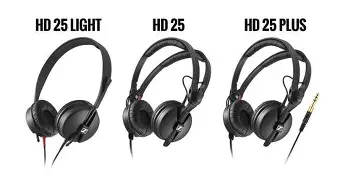
The HD 25 is a lightweight, closed-back, on-ear headphone designed primarily for monitoring. Unlike many consumer headphones that aim for plush comfort and cinematic sound, the HD 25 is tuned and built around utility. It is small, folds down easily, isolates surprisingly well for an on-ear design, and can take a fair amount of physical abuse. Its split headband, swiveling earcup, detachable cable, and replaceable parts all reflect its professional roots.
That design makes the HD 25 particularly appealing to several groups:
- DJs and live performers who need strong isolation, one-ear monitoring, and a secure fit.
- Videographers, location sound crews, and broadcasters who need portable monitoring that can survive frequent transport.
- Commuters and travelers who want a wired, compact headphone with passive isolation instead of batteries and active noise canceling.
- Audio enthusiasts who appreciate energetic, direct sound and highly repairable gear.
It is less ideal for those who prioritize plush comfort, extra-wide soundstage, or a soft, relaxed presentation for hours of background listening.
One Month of Testing: Everyday Experience
Over the course of a month, the HD 25 was used in a range of everyday situations that reflect how many buyers actually use a headphone like this. That included focused music listening at home, laptop editing sessions, train and café use, portable listening from a phone DAC, and quick monitoring checks while recording voice and instrument tracks. This broader use is important, because a headphone can be excellent in a studio and still frustrating in daily life.
The first impression is that the HD 25 feels purposeful. It does not try to wow through packaging or luxury materials. It is light, mostly plastic, and compact in a way that almost feels old-school. But within a few days, that simplicity starts to look more like efficiency than compromise. It is easy to throw in a bag, easy to take on and off, and much less bulky than over-ear alternatives.
The clamping force is the first major thing most users will notice. The headphone grips the head firmly. That secure fit helps with isolation and stability, especially in motion, but it also affects comfort. During shorter sessions, the tight fit feels practical and confidence-inspiring. During longer listening sessions, especially in a quiet home setting, it can become fatiguing for some users. Fit adjustment helps, and the split headband distributes pressure better than a single narrow band might, but comfort remains more functional than luxurious.
In noisy places, the HD 25 starts to make immediate sense. On trains, in cafés, and near street noise, its passive isolation is impressive for an on-ear model. It does not cancel low-end rumble like a premium ANC headphone, but it reduces surrounding noise enough to make podcasts, spoken word, and moderate-volume music easy to hear without pushing volume dangerously high. That is one reason it has remained popular for professional monitoring: it lets the user focus without requiring electronic features.
Sound Quality: Punchy, Focused, and Honest Enough for Monitoring
The HD 25 has a sound signature that feels energetic and direct rather than soft or spacious. Its presentation is built around clarity, impact, and usable detail. It does not sound flat in a strict studio-reference sense, nor does it chase the exaggerated bass-and-sparkle profile common in mainstream consumer tuning. Instead, it lands in a practical middle ground that works well for monitoring and engaging listening.
Bass Performance
The bass is one of the HD 25’s defining strengths. It has solid punch and speed, with enough impact to make rhythm-heavy music feel lively and controlled. Kick drums have good snap, basslines are easy to follow, and electronic music carries satisfying energy. Importantly, the bass does not feel loose or swollen. It is elevated enough to sound exciting, but it remains fairly disciplined.
Find top-rated Audio & Headphones products at great prices.
View Offers →For buyers who listen to house, techno, hip-hop, drum and bass, pop, and rock, this tuning is easy to appreciate. It supports beat-matching, cueing, and portable listening in noisy spaces. Those looking for deep sub-bass rumble on the level of some larger over-ear closed-backs may find it a bit limited at the very bottom, but for its size and purpose, the low-end performance is very convincing.
Midrange Performance
The mids are clear and forward enough to keep vocals, guitars, snare drums, and spoken content intelligible. Speech reproduction is especially good, which makes the HD 25 useful for podcasts, dialogue editing, voice monitoring, and broadcast-style work. Vocals do not feel buried behind the bass, and instruments occupy a focused, centered image.
That said, the midrange is not lush or romantic. Buyers who prefer a smoother, warmer, more open vocal presentation may find the HD 25 a little matter-of-fact. It is more about utility and presence than softness or richness.
Treble Performance
The treble is crisp and capable, helping the headphone sound detailed and alert. Hi-hats, cymbal edges, and acoustic textures come through with enough bite to support monitoring work. It avoids the dark, muffled character that can make some portable closed-back headphones feel dull.
However, the treble can also sound slightly aggressive depending on the recording, source, and listening volume. Poorly mastered tracks or bright sources can make the upper frequencies feel a little sharp over time. This is not a headphone for listeners who are extremely treble-sensitive or who want the smoothest possible top end.
Soundstage and Imaging
As expected from a compact closed-back on-ear design, the soundstage is not expansive. The HD 25 presents music in a relatively intimate space. Rather than trying to spread everything wide, it keeps sounds close, focused, and easy to place. Imaging is solid enough for monitoring tasks and casual editing, but it does not create the airy, speaker-like presentation some open-back headphones deliver.
For professional cueing and portable use, that narrower presentation is not really a problem. In fact, it can help make details feel more immediate. For immersive home listening, though, some buyers may prefer a more spacious alternative.
Comfort and Build: Tough, Portable, but Not Plush
The HD 25’s build quality is often misunderstood at first glance. Because it uses a lot of plastic and feels very light, it may not seem premium in the conventional luxury sense. But after a month of use, the design makes practical sense. It feels like equipment rather than an accessory.
The lightweight frame helps reduce neck fatigue and makes the headphone easy to wear while moving around. The split headband improves fit stability, and the swiveling earcup is genuinely useful for one-ear monitoring. The cable is detachable, and the ear pads can be replaced. In fact, one of the strongest long-term arguments for the HD 25 is that many of its parts are serviceable. That matters for buyers who want a headphone that lasts years rather than one disposable sealed unit.
Comfort is where opinions will divide. For shorter sessions of 30 to 90 minutes, it performs reasonably well. For longer multi-hour listening, the on-ear pressure becomes more noticeable. Glasses wearers may especially feel the clamp. The ear pads are functional, but they do not create the pillow-like softness associated with larger over-ear headphones.
In practical terms, the HD 25 is comfortable enough for its intended role, but it is not the kind of headphone most people would choose first for an all-day desk session if comfort were the top priority.
Looking for the best Audio & Headphones deals on Amazon?
Browse Now →Real-World Use Cases: Where the HD 25 Excels
Commuting and Travel
The HD 25 works extremely well for buyers who want a compact wired travel headphone. It takes up little space in a bag, isolates better than many on-ear rivals, and avoids the battery anxiety of wireless ANC models. For trains, buses, and flights where portability matters, it is more practical than many bulkier studio headphones.
DJ Monitoring
This is one of the areas where the HD 25 still feels almost tailor-made. The secure fit, punchy bass, durable construction, and swiveling earcup make it naturally suited to cueing and booth work. It can handle loud environments without falling apart sonically, and it stays put on the head during movement.
Field Recording and Video Work
For videographers, journalists, podcasters, and mobile content creators, the HD 25 is a useful tool. It is light enough to carry all day, isolates outside noise effectively, and reproduces speech clearly. It also feels less cumbersome than many large studio monitoring headphones when packed alongside cameras, recorders, and cables.
Casual Music Listening
It can absolutely work for everyday listening, especially for people who enjoy energetic sound and appreciate portability. But whether it is the best casual listening choice depends on priorities. Buyers looking for comfort and spaciousness may prefer over-ear alternatives. Buyers who value immediacy, rhythm, and practical design may find the HD 25 more rewarding than many lifestyle headphones.
Pros and Cons
Pros
- Excellent passive isolation for an on-ear headphone, making it very effective in noisy environments.
- Punchy, energetic sound that works especially well for electronic, pop, hip-hop, and live monitoring.
- Very lightweight and portable, with a compact design that is easy to carry daily.
- Durable, field-ready construction that feels built for real work rather than delicate home use.
- Replaceable parts and detachable cable, which improves long-term value and repairability.
- Secure fit that stays stable during movement.
- Useful for DJing, broadcast work, field recording, and commuting without needing batteries or special features.
Cons
- Strong clamping force can cause discomfort over longer sessions.
- On-ear design is less comfortable than many over-ear alternatives for extended home listening.
- Soundstage is relatively narrow, which limits spaciousness and immersion.
- Treble can sound a bit sharp with bright recordings or at higher volumes.
- Styling and materials feel utilitarian rather than premium in a lifestyle-product sense.
- Not ideal for listeners seeking a relaxed, luxurious listening experience.
Comparison Table: HD 25 at a Glance
| Category | HD 25 | What It Means for Buyers |
|---|---|---|
| Design | Closed-back, on-ear, wired | Compact and portable, but less plush than over-ear headphones |
| Isolation | Very good passive isolation | Useful for commuting, DJ booths, and field monitoring |
| Sound Signature | Punchy, clear, energetic | Great for rhythm-focused music and practical monitoring |
| Comfort | Secure but firm clamp | Good for shorter sessions and active use, mixed for long listening |
| Portability | Excellent | Easy to carry daily without taking much bag space |
| Durability | High | Well suited to professional handling and regular transport |
| Repairability | Strong | Replaceable parts help justify the price over time |
| Best For | DJs, field work, commuting, portable monitoring | Best when utility matters more than luxury comfort |
Buying Guide: Should Buyers Choose the HD 25?
The most important thing a buyer can do before choosing the HD 25 is decide what role the headphone needs to play. This is not a universal do-everything model in the way some modern wireless over-ears attempt to be. It is better understood as a specialized tool that also happens to be enjoyable for many kinds of music.
Choose the HD 25 if:
- Strong passive isolation matters more than active noise cancellation features.
- The headphone will be used in transport, field work, or other noisy environments.
- Durability and repairability are more important than luxury finishes.
- A secure fit is needed for DJing, mobile work, or movement-heavy use.
- The listener prefers direct, punchy sound over soft, laid-back tuning.
- Portability matters and a large over-ear headphone feels too bulky.
Consider another type of headphone if:
- Maximum comfort for long home listening sessions is the top priority.
- The buyer wants wireless convenience and built-in ANC features.
- A wide, open soundstage is more important than isolation and portability.
- The listener is especially sensitive to clamp pressure or brighter treble.
Buyers should also think about source gear. The HD 25 is fairly easy to use with everyday devices, but it still benefits from a clean source. A decent phone dongle DAC, portable player, or audio interface can help it sound tighter and more controlled. It does not demand expensive equipment, which makes it practical for mobile setups.
Another factor is longevity. Many modern headphones are effectively sealed products. Once the battery weakens or a part fails, replacement becomes the most likely outcome. The HD 25’s replaceable components make it attractive to buyers who think in terms of years rather than product cycles. That long-term ownership experience is one of its strongest selling points, even if it is less flashy than newer feature sets.
Final Verdict
After a month of testing, the Sennheiser HD 25 proves why it has stayed relevant for so long. It is not trendy, not especially luxurious, and not trying to chase every modern convenience. What it offers instead is a focused set of strengths that still matter: portability, excellent passive isolation, energetic sound, dependable durability, and real professional practicality.
Its weaknesses are also easy to define. The fit can be tight, long-session comfort is average rather than exceptional, and the on-ear design will not suit every listener. It is not the best choice for buyers seeking a soft, expansive, lounge-style listening experience. But that is not really its mission.
For DJs, mobile creators, commuters, and listeners who want a compact wired headphone with real character and working-tool reliability, the HD 25 remains one of the smartest options in its class. The verdict, then, is simple: the HD 25 is still worth buying, provided the buyer values utility, isolation, and punch over luxury and softness. In the right hands and in the right environments, it continues to earn its reputation.