Dt 880 Specs, Features, and Value: Is it worth the price tag?
Introduction
The Dt 880 occupies a familiar place in many listeners' minds: a semi-open studio-style headphone that promises a blend of analytical detail and musicality. For buyers weighing a purchase, the question is less about whether the Dt 880 sounds “good” and more about whether its specific strengths align with practical needs and the price being asked. This article examines the Dt 880’s specifications, real-world performance, typical use cases, and whether it represents good value for different types of buyers.
What is the Dt 880?
The Dt 880 is a semi-open, dynamic headphone design known for a neutral-to-slightly-bright presentation. It is commonly offered in multiple impedance options (commonly 32 Ω, 250 Ω and 600 Ω). That variety makes the Dt 880 a flexible family aimed at both casual listeners (lower impedance) and studio professionals or audiophiles who pair the headphone with dedicated amplification (higher impedance).
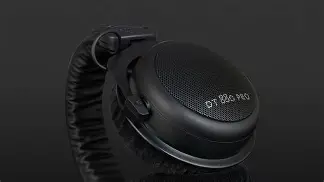
Key specifications (typical)
- Transducer type: Dynamic
- Design: Semi-open
- Impedance options: 32 Ω / 250 Ω / 600 Ω (model-dependent)
- Frequency response: Approximately 5 Hz – 35 kHz (manufacturer-stated ranges may vary)
- Sensitivity: Typically in the mid-80s to mid-90s dB SPL/mW range depending on impedance
- Cable: Single-sided (non-removable on many variants), ~2.5–3.0 m typical length
- Earpads: Velour (replaceable)
- Weight: Moderate, with a metal-reinforced headband and a focus on durability
Note: Exact numbers can vary by edition and year. Buyers should check the model label (Edition vs Pro vs other variants) and the listed impedance before purchase.
Detailed product review and analysis
Sound signature and performance
The Dt 880 is widely described as semi-analytical: it presents midrange clarity with an emphasis on detail. Vocals and acoustic instruments are typically portrayed with a clean, slightly forward midrange, while the treble is crisp and can sound airy. The low end is present and controlled rather than exaggerated—this gives mixes and recordings a natural sense of balance rather than the hyper-bass favored in some consumer models.
In practical listening, this translates to reliable performance for tasks that benefit from neutrality: critical listening, mixing reference checks at home, and appreciating complex recordings. For modern electronic music or bass-heavy listening where impactful sub-bass is a priority, some listeners may find the Dt 880 less satisfying than closed or bass-boosted alternatives.
Impedance variants and amplification
One of the Dt 880’s practical strengths is the availability of different impedance models. The lower-impedance versions (around 32 Ω) are easier to drive from smartphones, laptops, and portable players. The 250 Ω and 600 Ω variants were designed with desktop amplifiers and studio gear in mind: they generally reward extra power with improved control and headroom, but they can sound under-driven from weak headphone outputs.
For buyers considering the higher-impedance versions, the additional cost and complexity of a dedicated amplifier or a decent DAC/amp combo is part of the total ownership cost. However, when paired correctly, these variants typically deliver better dynamics and lower distortion at higher listening levels.
Discover deals on Audio & Headphones — updated daily.
See Deals →Build, comfort, and long-term use
Build quality leans toward durability and serviceability rather than flash. The Dt 880 usually features a metal headband, replaceable velour pads, and robust ear cup design. Comfort is a strong point: the velour earpads and careful clamping pressure make the headphones suitable for extended listening sessions—an important consideration for mixing, mastering, or long enjoyment sessions.
On the downside, many Dt 880 models employ a non-removable single-sided cable, which some users find inconvenient. Cable replacements or upgrades require soldering or aftermarket modifications unless the buyer opts for a variant with a detachable cable.
Isolation and practical implications
Being semi-open, Dt 880 headphones strike a middle ground: they allow some sound leakage and environmental awareness while offering a more open soundstage than closed-back designs. In quiet home studios or dedicated listening rooms this is advantageous, but in noisy or public spaces it is less suitable. Broadcast booths, recording sessions where isolation is required, and commuting are not the ideal environments for semi-open designs.
Real-world use cases: who benefits most?
- Home studio engineers and hobbyist mixers: The Dt 880 offers a balanced reference that helps identify midrange issues and treble artifacts without overemphasizing bass.
- Audiophiles who prefer a neutral presentation: The semi-open character provides a spacious soundstage for critical enjoyment of recordings.
- Podcast producers and voice editors: Clear midrange helps with vocal editing and EQ decisions, provided the environment is quiet.
- Casual listeners seeking comfort for long sessions: The velour pads and moderate clamping make for comfortable listening at home.
Conversely, commuters, people needing strong isolation, or those who want a punchy consumer-style bass-first sound will likely find other designs more suitable.
Pros & Cons
- Pros:
- Neutral, detailed sound with transparent midrange for critical listening
- Comfortable for long sessions thanks to velour pads and balanced clamping force
- Durable build with replaceable ear pads that extend lifespan
- Multiple impedance options allow matching to source gear and use cases
- Semi-open design yields a spacious soundstage compared with closed cans
- Cons:
- Not ideal for noisy environments due to semi-open leakage
- Higher-impedance variants require amplification for best results
- Some models use a non-removable cable, limiting easy upgrades
- Tuning can feel slightly bright to listeners who prefer warm, bass-forward profiles
Comparison: Dt 880 versus related alternatives
| Model | Design | Typical Impedance | Sound Character | Best for |
|---|---|---|---|---|
| Dt 880 | Semi-open | 32 Ω / 250 Ω / 600 Ω | Neutral, detailed midrange; controlled bass; airy treble | Home studio mixing, critical listening, audiophile listening at home |
| Dt 770 | Closed-back | 32 Ω / 80 Ω / 250 Ω | Punchier bass, tighter low end, more isolation | Tracking, noisy environments, monitoring for bass-heavy genres |
| Dt 990 | Open-back | 32 Ω / 250 Ω / 600 Ω | Wider, more expansive treble and soundstage; can be brighter | Audiophile listening where maximum openness is desired |
| Sennheiser HD 600 | Open-back | 300 Ω | Natural, laid-back mids; smooth treble; engaging but less analytical | Reference listening, classical and acoustic music lovers |
Buying guide: choosing the right Dt 880 for the buyer
1. Decide on impedance based on source gear
Impedance determines how much power is required. If the buyer plans to use the Dt 880 primarily with phones or ultraportable players, a low-impedance (32 Ω) variant is the sensible choice. For laptop, desktop, or studio use where a DAC/amp or audio interface is available, 250 Ω is a common and versatile choice. The 600 Ω model is aimed at dedicated studio or high-end desktop setups and benefits most from amplification.
2. Amplification: necessary or optional?
For higher-impedance models, an amplifier is not optional—it's an essential complement. Even a modest desktop DAC/amp will unlock better dynamics and clarity. Buyers should factor the cost of amplification into the overall purchase decision because an underpowered source can make the headphones sound thin and lifeless.
3. Comfort and extended wear
Comfort is a priority for mixers, streamers, and long-session listeners. The Dt 880’s velour pads and well-distributed clamping force are strengths here. Still, buyers with specific head sizes or who prefer leather pads should consider aftermarket pads and check return policies—comfort is subjective and worth testing if possible.
4. Evaluate the listening environment
If the environment is noisy (open-plan offices, public transport), a semi-open design will be a poor fit. In quiet home setups or acoustically controlled small studios, the Dt 880’s semi-open nature will shine through. Consider noise levels and leakage before choosing a semi-open headphone.
Shop the latest Audio & Headphones picks on Amazon.
Shop Amazon →5. Cable and repairability
Cable configuration matters for long-term use. Non-removable cables complicate replacements, while detachable options simplify upgrades and travel. Also check manufacturer warranty and the availability of replacement earpads—users who intend to keep headphones for many years should value repairability.
6. What to audition and compare
When testing the Dt 880, use familiar tracks that span the midrange and treble—acoustic vocals, orchestral pieces, and well-recorded jazz or acoustic tracks reveal the headphone’s strengths and weaknesses. Compare it to a closed and an open headphone to understand how the semi-open balance sits between isolation and spaciousness.
Value assessment: is the Dt 880 worth the price?
The Dt 880’s value proposition depends heavily on buyer intent. For users who need an analytical, comfortable, and durable headphone for home studio work or serious listening in a quiet environment, the Dt 880 often represents strong value. Its neutral presentation, multiple impedance options, and long-term serviceability make it a sensible long-term investment.
However, value erodes if the buyer expects the Dt 880 to excel in settings it was not designed for: noisy commutes, heavy sub-bass club tracks, or situations where portability and detachable cables are critical. In those scenarios, the buyer may be better served by a closed-back model, a headphone with detachable cables, or a consumer-oriented sound signature.
Practical tips before purchase
- Try before buying: Whenever possible, audition the 250 Ω variant and the low-impedance variant to compare how they respond from the intended source.
- Budget for amplification if choosing higher impedance: A modest desktop amp can significantly improve performance and should be counted in the total budget.
- Check return policies: Comfort and perceived tonal balance are personal—good return or exchange terms reduce risk.
- Consider used market carefully: Dt models are commonly found used; inspect pads and cable condition and confirm functioning of drivers before purchase.
- Think about accessories: Replacement velour pads and cable options are widely available; plan for these if longevity or different cable types are desired.
Conclusion
In short, the Dt 880 is worth its price tag when purchased by the right person for the right purpose. It excels as a neutral, detailed, and comfortable headphone for studio-minded listeners and audiophiles working or listening in quiet environments. Its multiple impedance choices make it flexible, but also introduce an implicit cost for amplification with higher-impedance models. Buyers who prioritize isolation, extreme portability, or bass-first tuning will find better value elsewhere.
Ultimately, the Dt 880 is best viewed as a tool: excellent for revealing detail, guiding mixing decisions, and rewarding careful amplification. For those needs, it can deliver real value and longevity; for other needs, it may be an over-specialized purchase. Buyers should match the Dt 880’s strengths to their use case and budget before deciding whether it is the right investment.