Don't Buy Until You Read This: Canon Eos C50 vs Dji Osmo Nano
Introduction
Choosing between a dedicated cinema camera and a pocket-sized stabilized camera is one of the more common dilemmas for creators today. The Canon EOS C50 and the DJI Osmo Nano occupy very different places on the spectrum: the C50 is positioned as a compact cinema tool that prioritizes image quality and lens flexibility, while the Osmo Nano targets run-and-gun creators who value extreme portability and built-in stabilization. This article examines both products through the lens of real-world use—weddings, indie filmmaking, documentaries, corporate content, social media vlogging and travel—and highlights what buyers typically care about: image quality, ergonomics, audio, lens and accessory ecosystems, battery life, postproduction workflow, and overall value.
How to read this comparison
The goal is not to crown a universal winner—there is none. Instead, the article focuses on which camera is a better fit for specific needs and workflows. Readers will find a focused product analysis, pros and cons lists for each model, a clear comparison table of the most relevant categories, a buying guide to help make the decision based on priorities and budget, and a concise conclusion.
Product analysis and real-world performance
Canon EOS C50 — The compact cinema option
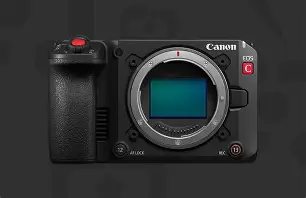
The Canon EOS C50 is designed for creators who need cinematic image quality in a relatively compact package. It targets independent filmmakers, small production companies, and hybrid content creators who demand a filmic look, wide dynamic range, and the flexibility of interchangeable lenses. In practical shooting scenarios—short films, wedding highlights, corporate promos—the C50’s larger sensor and lens choices deliver shallower depth of field, better subject separation, and more control over the visual aesthetic compared with pocket cameras.
Key practical strengths in daily use include ergonomics and modularity. The camera is built to accept different rigging options: handgrips, top handles, external monitors, and professional audio interfaces. That makes it easy to adapt from a shoulder-mounted documentary rig to a compact gimbal setup or tripod-based interview kit. For content that will be color graded, the C50’s image pipeline and codec options typically give more latitude in highlights and shadows, which matters when matching camera footage across scenes or when pushing a stylized grade.
Where it matters most: low-light performance, depth of field control, professional audio integration, and a lens ecosystem that supports creative choices. Buyers who prioritize long-form content, cinematic shallow focus, and a predictable postproduction workflow will find the C50 suits those needs.
DJI Osmo Nano — The ultra-portable stabilized camera
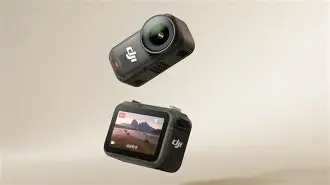
The DJI Osmo Nano is aimed squarely at creators who prize ease of use and mobility above all. It combines a compact imaging module with an integrated gimbal and user-friendly app features, delivering stabilized footage straight out of camera. In day-to-day travel vlogging, street interviews, or quick social-media clips, the Osmo Nano excels: it’s quick to deploy from a pocket, has responsive stabilization, and simplifies the capture-to-share workflow, especially for creators who want to shoot and publish fast.
Practical advantages show up in run-and-gun situations: walking shots without a dolly, spontaneous interviews, and handheld time-lapse sequences. The Osmo Nano’s small footprint also encourages experimentation—creators are more willing to try unique angles and move frequently because the device is so unobtrusive. For social and short-form creators, the software features—automatic subject tracking, in-app editing templates, and quick export options—often outweigh the limitations of a smaller sensor and fixed lens.
Where it matters most: portability, built-in stabilization, and simplicity. Buyers who want an all-in-one solution for quick content capture, minimal setup, and instant sharing will likely prefer the Osmo Nano.
Looking for the best Cameras & Photography deals on Amazon?
View Offers →Pros & Cons
Canon EOS C50
- Pros: Larger sensor and filmic depth of field for cinematic images; interchangeable lens system for creative control; modular build that supports professional audio and monitoring; strong color grading latitude and professional codec options; designed for extended shoots and production workflows.
- Cons: Bigger and heavier than pocket devices; requires investment in lenses and accessories; steeper learning curve for exposure, color, and workflow; typically higher price point and greater long-term system cost.
DJI Osmo Nano
- Pros: Extremely portable and fast to deploy; excellent built-in stabilization for smooth handheld footage; simple app workflow for quick edits and sharing; unobtrusive for candid shooting and travel; lower initial cost for an integrated system.
- Cons: Smaller sensor limits depth of field and low-light performance; fixed lens reduces versatility; less flexible audio options and limited professional input; narrower postproduction latitude for color grading and heavy corrections.
Side-by-side comparison
| Category | Canon EOS C50 | DJI Osmo Nano |
|---|---|---|
| Target user | Independent filmmakers, hybrid shooters, small production teams | Vloggers, travelers, social creators, run-and-gun shooters |
| Image quality | High—larger sensor, cinematic shallow depth of field, more dynamic range | Good for its size—optimized for stabilized social content, but less low-light headroom |
| Lens ecosystem | Interchangeable lens mount; supports creative lens choices | Fixed lens designed for wide-angle capture and convenience |
| Stabilization | Depends on rigging—optical stabilization depends on lens, often used with gimbal | Integrated 3-axis gimbal; excels at handheld and walking shots |
| Audio | Professional options and external inputs through adapters and accessories | Built-in mics and limited external mic support; best for casual audio or lavalier via adapter |
| Portability | Compact for a cinema camera but larger than pocket devices | Highly portable—fits in a pocket or small bag |
| Battery & workflow | Swappable batteries and media; designed for extended shoots and professional workflows | Integrated battery with shorter runtimes; streamlined app-driven workflow |
| Best for | Planned shoots, narrative work, client projects where image quality matters | Spontaneous capture, travel, social-first delivery, single-operator setups |
Real-world use cases and decision criteria
Different projects have different constraints. Below are common scenarios and which camera typically makes more sense.
Narrative short films and client work
When cinematic image quality, lens choices and controlled depth of field are required, the Canon EOS C50 is the logical choice. Its output integrates better into multi-camera shoots and can be graded to match other cinema cameras. In client-facing projects, the C50’s professional inputs and modularity reduce the need for additional post-shoot fixes.
Weddings and event videography
Events require a mix of run-and-gun and staged shots. A hybrid approach can be effective: using the C50 as the primary camera for ceremony and formal segments where image quality is paramount, and a compact stabilized camera like the Osmo Nano for candid wide shots, guest reactions, and dynamic movement. The Nano reduces intrusion and complements the C50’s more crafted imagery.
Travel vlogging and social content
For creators who travel light and post frequently, the Osmo Nano is more practical. Its stabilization and quick app integration let creators capture polished clips without extra gear. That said, creators who prioritize cinematic looks even on the road might carry a compact cinema camera plus a lightweight lens, accepting extra bulk for higher image quality.
Documentary and run-and-gun reporting
Documentary producers often benefit from the C50’s low-light performance and audio options when interviews and controlled capture are needed. Conversely, for fast-moving street coverage or embedding where stealth matters, the Osmo Nano’s size and ready stabilization are huge advantages.
Buying guide — how to choose
Use the following checklist to decide which camera fits the intended workflow and budget.
1. Define the primary use case
- If cinematic images, lens flexibility, and professional audio are core requirements, prioritize the Canon EOS C50.
- If portability, stability, and social-ready capture are the primary priorities, the DJI Osmo Nano is likely the better fit.
2. Consider total system cost
Price of the camera body is only the start. For the C50, plan for lenses, batteries, media, audio adapters or mixers, and possibly stabilization gear. For the Osmo Nano, the platform is more self-contained—costs for accessories are usually lower, but external microphones, spare batteries, or storage may still be needed.
Find top-rated Cameras & Photography products at great prices.
Browse Now →3. Prioritize audio needs
Audio often makes or breaks a production’s perceived quality. If interviews, spoken-word content, or location audio is important, lean toward the camera with the best support for external microphones and monitoring. If acceptable, the Nano’s onboard audio and smartphone integration can suffice for quick social pieces.
4. Evaluate postproduction workflow
Consider codecs, color profiles, and media handling. Cinema cameras generally offer professional codecs and raw or log profiles that take more time in post but provide greater grading flexibility. The Osmo Nano emphasizes quick turnaround and in-app edits—suitable for creators who want minimal postproduction.
5. Test ergonomics and run times
Handle both systems if possible. Ergonomics matter: for long shoots, comfort, ease of changing lenses or media, and battery life influence fatigue and reliability. Check how each camera mounts to tripods, gimbals, or other accessories that will be used frequently.
6. Think about future needs
Which ecosystem will the buyer grow into? A cinema camera is an investment in lenses and accessories that can be used across future bodies; a compact stabilized camera may be replaced entirely as social trends evolve. Factor in whether the purchase is for a long-term professional system or a short-term convenience solution.
Practical tips before buying
- Rent before you commit: For high-cost cinema gear, renting for a couple of shoots reveals workflow and hidden costs (grips, media, adapters).
- Check audio workflows: Test recording external mics and monitor on location—audio limitations are often discovered late otherwise.
- Factor in accessories: For the C50, good lenses and ND filters matter. For the Osmo Nano, spare batteries and a small microphone can greatly improve output.
- Validate stabilization needs: If most footage is moving, stabilization built into a pocket unit may save time and money compared with repeatedly gimbaling a larger camera.
- Plan editing time: More latitude in grading requires more post time; instant-share creators may prefer a streamlined codec and mobile editing workflow.
Conclusion
Neither the Canon EOS C50 nor the DJI Osmo Nano is inherently better in all situations; they are tools built for different problems. The C50 excels where image quality, creative control, and professional workflows are non-negotiable. It is an investment not only in a camera body but in a lens and audio ecosystem that elevates production value. The Osmo Nano shines when mobility, speed, and convenience matter—when the aim is to capture shareable, stabilized footage with minimal setup and fuss.
Buyers should rank priorities—image fidelity and modularity versus portability and instant usability—and choose the camera that aligns with the primary use case. For many creators, the optimal approach is complementary: use a cinema camera for primary, high-value shoots and a compact stabilized camera for behind-the-scenes, b-roll, or rapid social content. Understanding how each tool fits into a realistic workflow will prevent buyer’s remorse and ensure the equipment purchased actually improves production rather than complicating it.