A Professional's Take on the New Home Theater
Introduction
The modern home theater is no longer a single-piece purchase or a basic grouping of components. It is a considered ecosystem that blends audio fidelity, video performance, connectivity, and room-specific acoustics into an experience that rivals commercial cinemas for many viewers. This article examines the contemporary home theater from a professional perspective: what buyers typically care about, how different system choices affect real-world use, and how to select a system that fits a particular room, lifestyle, and budget. The featured product category is Home Theater in the broadest sense — encompassing sound systems, AV receivers, display technologies, and the integration between them.
Detailed Product Review and Analysis
The term "home theater" commonly denotes an integrated solution combining a display (TV or projector), an audio system (soundbar or multi-channel speaker setup with an AV receiver), source devices, and room treatments. Rather than reviewing a single SKU, this analysis evaluates the principal components and typical packaged systems available to the modern buyer, focusing on performance, adaptability, and long-term value.
Display Technologies: TV vs Projector
Display choice shapes the visual experience and drives many downstream decisions. Flat-panel televisions with high brightness and contrast, wide color gamuts, and support for HDR standards deliver precise, reliable image quality in most living rooms. Projectors, meanwhile, provide scale: a projector paired with an acoustically suitable surface or screen creates a much larger image at a fraction of the cost per diagonal inch.
- Performance notes: TVs typically win for high ambient light rooms and simpler installation. Projectors excel for dedicated dark-room cinemas and when a cinematic scale is the priority.
- Considerations: native contrast, HDR handling, input lag for gaming, and support for contemporary video standards like Dolby Vision and HDR10+ are important when selecting a display.
Audio Systems: Soundbars, Stereo, and Multi-Channel
Audio is the heart of the theater experience. Buyers often choose between compact soundbars, traditional stereo setups, and full multi-channel systems (5.1, 7.1, Atmos-enabled arrays). Each approach has trade-offs in terms of spatial imaging, dialogue clarity, low-frequency impact, and room compatibility.
- Soundbars: offer convenience and improved television dialogue; advanced models use upward-firing drivers for simulated overhead effects. They are ideal for constrained spaces and users who value simplicity.
- Stereo hi-fi: two-channel systems remain compelling for music-first users who want depth, dynamics, and a realistic soundstage for stereo content.
- Multi-channel systems: with a discrete AV receiver and multiple speakers, these systems deliver true surround and object-based audio (Dolby Atmos, DTS:X) when properly configured.
AV Receivers and Amplification
The AV receiver (AVR) is the system hub: decoding formats, powering speakers, managing room correction, and routing sources. Modern AVRs include network features, streaming capabilities, HDMI 2.1 compatibility for high-bandwidth video, and automatic calibration tools. Professionals advise prioritizing the quality of amplification, the receiver’s channel count, and firmware update policies.
Connectivity and Smart Features
Connectivity expectations now include HDMI eARC for lossless audio passthrough, multiple HDMI inputs for game consoles and streaming devices, and support for vendor-neutral streaming protocols. Network audio (AirPlay, Chromecast, Roon Ready, or proprietary solutions) affects how music and high-resolution audio are played and controlled. The buyer should weigh the importance of seamless mobile device streaming versus physical source fidelity (Blu-ray, vinyl).
Installation and Calibration
Installation complexity ranges from plug-and-play soundbars to multi-speaker systems that require speaker placement, wiring, and room calibration. Automatic room correction systems (e.g., built-in microphone calibration) provide a useful baseline; however, professional calibration or manual tuning can yield superior results in critical listening environments. Acoustic treatment — absorption panels, bass traps, and diffusion — often makes more audible improvement than incremental hardware upgrades.
Durability, Upgradability, and Value
Home theater components should be evaluated for build quality and upgrade path. AV receivers with modular features and ample processing headroom accommodate future formats and additional speakers. Passive speakers with replaceable drivers, or active speakers with accessible firmware updates, extend a system’s usable life. Buyers who plan iterative upgrades should favor systems that separate functions (separate speakers and amplifier) over all-in-one solutions if budget permits.
Shop the latest Electronics picks on Amazon.
Shop Amazon →Real-World Use Cases
Understanding typical use cases helps clarify which home theater configuration is most appropriate.
- Movie enthusiasts: prioritize dynamic range, deep bass, and accurate surround imaging. A dedicated multi-channel system with a projector or large OLED/LCD display and subwoofer is common.
- Casual viewers and multi-purpose living rooms: often choose high-quality TVs paired with a compact soundbar that improves dialogue and provides fuller sound without intrusive wiring.
- Gamers: require low input lag displays, HDMI 2.1 bandwidth for high frame rates, and immersive audio that helps with spatial cues. AVRs or sound systems that support passthrough of game consoles are preferred.
- Music-first listeners: two-channel systems with careful speaker selection and analog playback options (phono input) frequently outperform surround setups for musical fidelity.
- Small apartments: wireless or compact systems minimize footprint and noise disturbance. Smart use of placement and smaller, high-quality components can still deliver convincing performance.
Pros & Cons
- Pros
- Immersive audio and large-format video create a cinematic experience at home.
- Modern systems support a wide range of content formats and seamless streaming.
- Scalable: systems can be upgraded incrementally to match budget and needs.
- Room correction and digital signal processing have improved out-of-box performance.
- Cons
- High-quality multi-channel systems require space, wiring, and sometimes professional setup.
- Some advanced formats and HDMI features depend on device firmware and vendor support.
- Large systems can be expensive once careful speaker choice, subwoofers, and treatment are included.
- Improper placement or untreated rooms can negate the benefits of high-end hardware.
Comparison Table: Typical Home Theater Configurations
| Configuration | Best for | Typical cost range | Ease of setup | Soundstage / Immersion | Space required |
|---|---|---|---|---|---|
| Soundbar + Subwoofer | Small living rooms, renters | Low to mid | Very easy | Good (simulated surround) | Minimal |
| Stereo Hi‑Fi (2ch) | Music lovers, compact rooms | Low to high | Moderate | Excellent for stereo imaging | Small to medium |
| 5.1 / 7.1 Discrete System | Movie enthusiasts, dedicated rooms | Mid to high | Moderate to complex | High (true surround) | Medium to large |
| Atmos / Object-Based Setup | Immersive cinema experience | High | Complex | Very high (overhead effects) | Large / dedicated |
| Projector + Full Audio | Dedicated home cinemas | Mid to very high | Complex | Very high | Large / dedicated |
Buying Guide: How Professionals Recommend Choosing a Home Theater
Selecting the right home theater is a balance of several factors. The following sections offer a structured approach, mirroring how professionals evaluate and configure systems for clients.
1. Define Primary Use and Priorities
Start by listing the primary activities: movies, sports, gaming, music, or a hybrid. Professionals always match the configuration to use: a music-first client will get different speaker voicing and placement than a film buff who needs thunderous low end and a strong surround field.
2. Assess the Room
Room dimensions, shape, ambient light, and typical seating positions are crucial. Small rectangular rooms often benefit from controlled bass (subwoofer placement and acoustic traps), while large rooms may require multiple subwoofers and distributed speakers to avoid nulls and peaks. Measure or estimate ceiling height, wall materials, and window placement, as these affect both sound and display choice.
3. Budget Planning — Allocate Wisely
Divide the budget into categories: display (30–40%), audio (30–40%), source and control (10–20%), and room treatment/installation (10–20%). Professionals advise resisting the temptation to overspend on one component at the expense of another; for example, a top-tier display with poor audio will still underperform as a theater.
4. Choose the Audio Approach
Decide between a compact soundbar, stereo system, or discrete multi-channel setup:
- Soundbar for simplicity and limited space.
- Stereo for music and simplicity when surround is not a priority.
- Discrete multi-channel for full cinematic immersion, ideally paired with an AVR that supports current audio codecs.
5. Check Video Compatibility and Sources
For modern workflows, ensure the display and AVR support necessary HDMI bandwidth, HDR formats, and refresh rates. Gamers should verify low input lag and ALLM/VRR support for current consoles. Blu-ray collectors or users with 4K UHD content should verify that the system passes high-bitrate video without downscaling.
Discover deals on Electronics — updated daily.
View Offers →6. Consider Connectivity and Control
Look for systems with streamlined control: phone apps, integration with smart home platforms, and physical remotes that learn commands. HDMI eARC makes bi-directional audio exchange easier for TV apps. Professionals also recommend looking for devices with robust firmware update policies — these extend compatibility with newer content formats.
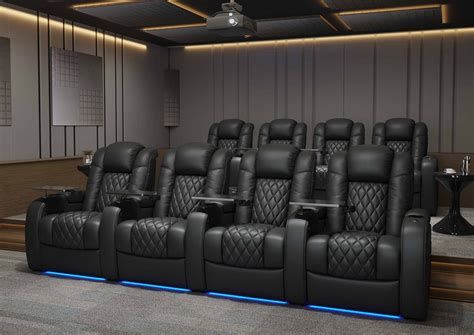
7. Plan for Installation and Room Treatment
Plan speaker positions relative to seating. For multi-channel setups, use industry-standard layouts (e.g., 7.1 or Atmos configurations) as a starting point, then adapt to the room. Invest in at least basic acoustic treatment: absorption at first reflection points, rugs, curtains, and potentially bass traps in corners. For immersive systems, ceiling treatments improve overhead effects.
8. Demo Before Commiting
When possible, hear systems in a similar environment. Dealers and audio rooms provide useful comparisons. If a demo is not available, seek objective online measurements and trusted reviewers who publish measurements alongside listening impressions.
9. Future-Proofing and Upgradability
Buy components with upgrade paths: an AVR with extra channels leaves room for adding Atmos speakers, and powered or passive speaker choices affect ease of upgrade. Consider whether speakers can be wall-mounted, whether wireless speaker modules are supported, and whether the manufacturer supports high-resolution audio codecs going forward.
10. Maintenance and Long-Term Considerations
Home theater equipment is relatively low-maintenance, but dust, humidity, and firmware obsolescence are practical concerns. Choose components with good service policies and replaceable parts. Plan for periodic recalibration — especially after furniture changes, new acoustic elements, or electronics upgrades.
Conclusion
The new home theater is a flexible, user-focused landscape where the right choices depend less on marketing and more on congruence between the room, the user's priorities, and the system’s technical fit. Professionals emphasize balance: pairing a display and audio system that match the intended use, investing in room assessment and acoustic treatment, and choosing components with clear upgrade paths. Whether the objective is a simple, satisfying enhancement of television audio or a fully immersive cinematic environment, a thoughtful approach yields consistent, long-term satisfaction. The contemporary home theater is, above all, an experience — and with careful selection and configuration, it delivers one that is unmistakably professional in quality and deeply rewarding in use.